Category: Blog

Your blog category

  • Keyword Research for Beginners: A Complete Guide

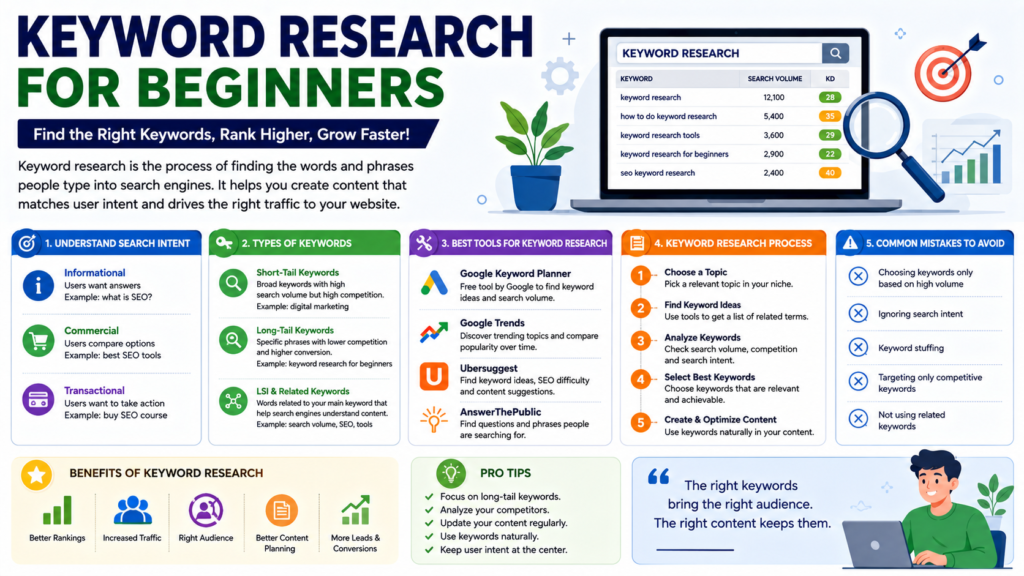
    Keyword research for beginners infographic showing search intent, keyword types, SEO tools, keyword research process, common mistakes, and strategies to improve website rankings and organic traffic.

    If you want to succeed in SEO and content marketing, learning keyword research is one of the first skills you should master. Whether you are writing blogs, creating websites, or running marketing campaigns, understanding what people search for online helps you create content that attracts the right audience.

    In simple words, keyword research is the process of finding the words and phrases people type into search engines. By using the right keywords, you can improve visibility, attract visitors, and create content that matches user needs.

    In this beginner-friendly guide, you will learn the basics of keyword research, why it is important, and how to do it step by step.


    What Is Keyword Research and Why Is It Important?

    Keyword research is the process of identifying search terms that users enter into search engines when looking for information, products, or services.

    Benefits of proper keyword analysis include:

    • Better search engine rankings
    • Increased website traffic
    • Improved content planning
    • Higher chances of attracting the right audience
    • Better understanding of customer intent

    Without proper keyword planning, it becomes difficult to create content that users are actively searching for.


    Understanding Search Intent and User Queries

    Before selecting keywords, you should understand why people are searching.

    Informational Search Terms

    Users want information or answers.

    Examples:

    • What is SEO?
    • How to start blogging?
    • Digital marketing tips for beginners

    Commercial Investigation Keywords

    Users are researching before making a decision.

    Examples:

    • Best SEO tools
    • Top digital marketing courses

    Transactional Search Phrases

    Users are ready to take action.

    Examples:

    • Buy SEO software
    • Enroll in digital marketing training

    Understanding search intent helps you choose the most relevant terms for your content.


    Types of Keywords Every Beginner Should Know

    Short-Tail Keywords

    These are broad search terms with high search volume.

    Examples:

    • SEO
    • Marketing
    • Blogging

    They are usually difficult to rank for because of strong competition.

    Long-Tail Search Phrases

    These are longer and more specific keywords.

    Examples:

    • Keyword research for beginners
    • How to find keywords for a blog

    Long-tail phrases often have lower competition and higher conversion potential.

    LSI and Semantic Keywords

    These are related words that help search engines understand your content.

    Examples for keyword research:

    • Search volume
    • Keyword difficulty
    • Search intent
    • SEO keywords
    • Content optimization

    Using related terms naturally improves content relevance.


    Best Keyword Research Tools for Beginners

    Many free tools can help you find keyword opportunities.

    Google Keyword Planner

    A popular free tool that shows:

    • Search volume
    • Competition level
    • Keyword ideas

    Google Trends

    Useful for discovering trending topics and seasonal searches.

    Ubersuggest

    Provides:

    • Keyword suggestions
    • SEO difficulty
    • Content ideas

    Answer the Public

    Helps find question-based searches people ask online.

    These tools make keyword discovery easier for beginners.


    How to Do Keyword Research Step by Step

    Step 1: Choose a Topic

    Start with a broad topic related to your niche.

    Example:
    Digital marketing

    Step 2: Find Related Search Terms

    Use keyword tools to generate ideas.

    Examples:

    • Digital marketing skills
    • Digital marketing course
    • Digital marketing strategy

    Step 3: Analyze Search Volume

    Look for terms that people search regularly.

    Step 4: Check Competition

    Choose opportunities that have manageable competition.

    Step 5: Select Primary and Secondary Keywords

    Use one main keyword and several supporting phrases.

    This creates a balanced optimization strategy.


    Common Keyword Research Mistakes to Avoid

    Many beginners make mistakes that affect performance.

    Avoid:

    • Choosing keywords only based on volume
    • Ignoring search intent
    • Keyword stuffing
    • Targeting highly competitive terms only
    • Not using related keywords

    A balanced strategy produces better long-term results.


    Content Planning Using Keyword Research

    Once you find relevant terms, use them to create content ideas.

    Examples:

    • Blog posts
    • Tutorials
    • Guides
    • Product pages
    • FAQs

    Proper content planning helps you publish articles that users are actively searching for.


    Benefits of Keyword Research for SEO Success

    A strong keyword strategy can help:

    • Improve organic visibility
    • Increase website traffic
    • Understand customer needs
    • Create relevant content
    • Generate more leads and conversions

    These benefits make keyword research one of the most important SEO activities.


    Keyword research is the foundation of successful SEO and content marketing. By understanding search intent, using the right tools, and targeting relevant search terms, beginners can create content that attracts the right audience.

    Start with simple keyword tools, practice regularly, and focus on creating valuable content around the terms people are searching for.


    If you want to learn keyword research, SEO, and digital marketing step-by-step with expert guidance, join Vidya Sarthi today.

    πŸ‘‰ Start your learning journey with Vidya Sarthi and build a successful career in digital marketing
  • Free Tools for Digital Marketing Beginners

    Free Tools for Digital Marketing Beginners

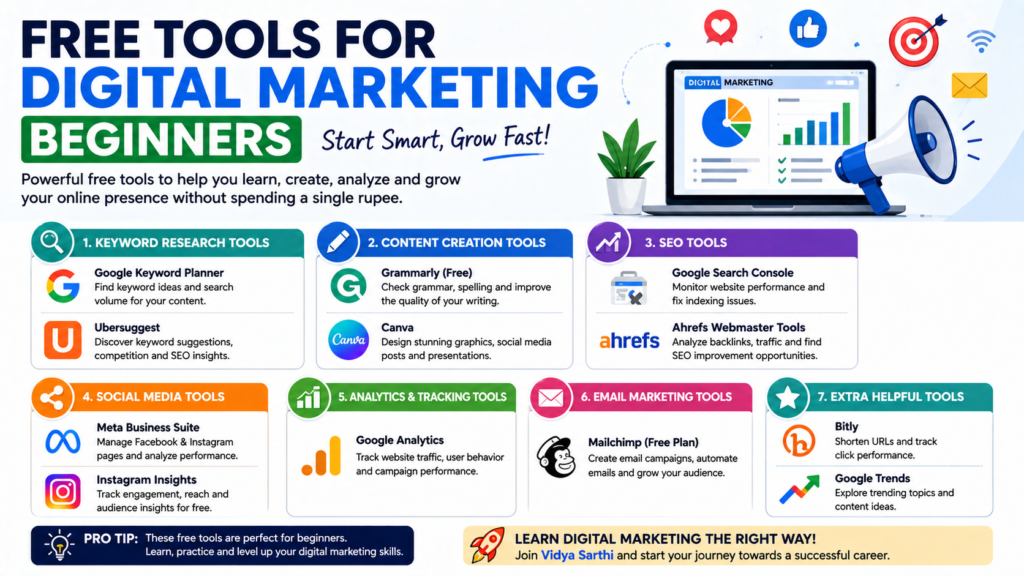
    Free digital marketing tools for beginners infographic

    In today’s online world, learning digital marketing is not enoughβ€”you also need the right tools to work efficiently. The good news is that many free tools are available that help beginners start without investment.

    These tools help in keyword research, content creation, analytics, and social media management. In this blog, I will explain the best free tools you should use to build your skills step-by-step.


    Keyword Research Tools (SEO and Search Analysis Tools)

    Keyword research is the first step in online marketing. It helps you understand what people are searching for.

    You can use:

    • Google Keyword Planner
    • Ubersuggest

    These tools help you find keywords, search volume, and competition level.


    Content Creation and Writing Tools (Blog and Copywriting Tools)

    Content plays a major role in online promotion.

    Free tools include:

    • Grammarly (for grammar checking)
    • Canva (for visuals and graphics)

    These tools help you create high-quality content easily.


    Search Engine Optimization Tools (Website Optimization Platforms)

    SEO tools help improve website ranking and performance.

    Best tools:

    • Google Search Console
    • Ahrefs (free features available)

    These tools help track website performance and fix issues.


    Social Media Marketing Tools (Online Branding Platforms)

    Social media tools help you manage and grow your presence.

    Popular tools:

    • Facebook Business Suite
    • Instagram Insights

    These tools help schedule posts and analyze engagement.


    Analytics and Data Tracking Tools (Performance Measurement Tools)

    Tracking data is very important in online marketing.

    Use:

    • Google Analytics

    This tool helps you understand user behavior, traffic sources, and performance.


    Email Marketing Tools (Customer Engagement Platforms)

    Email marketing helps you connect with your audience.

    Free tools include:

    • Mailchimp

    It helps you send emails, create campaigns, and automate communication.


    Why Free Tools are Important for Beginners

    Free tools are helpful because:

    • No investment required
    • Easy to use
    • Perfect for learning and practice
    • Help build real skills

    They allow beginners to start their journey without financial pressure.


    Conclusion: Start Using Tools and Build Your Skills

    Learning digital marketing becomes easier when you use the right tools. Start with free tools, practice regularly, and gradually move to advanced tools.

    Consistency and practical experience will help you grow faster.


    If you want to learn digital marketing step-by-step with proper guidance, join Vidya Sarthi today.

    πŸ‘‰ Start your journey with Vidya Sarthi and build your career in digital marketing πŸš€
  • What Skills Do You Need to Become a Digital Marketer?

    What Skills Do You Need to Become a Digital Marketer?

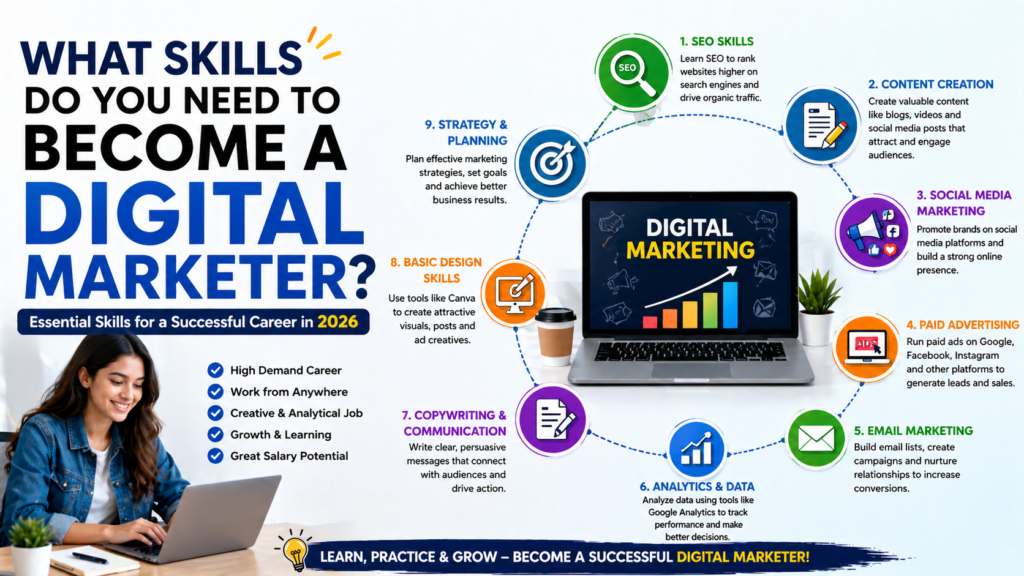
    Digital marketer skills infographic with SEO, social media, and analytics

    In today’s digital world, learning digital marketing can open many career opportunities. Businesses are going online, and they need people who understand online promotion, branding, and customer engagement.

    If you are a beginner, you might wonder what skills are required to succeed in this field. In this blog, I will explain all the important skills you need in a simple and practical way.


    Search Engine Optimization Skills (SEO and Website Ranking Techniques)

    SEO is one of the most important skills in online marketing. It helps websites rank higher on Google and get organic traffic.

    You should learn:

    • Keyword research
    • On-page optimization
    • Content improvement

    This skill helps increase visibility and long-term growth.


    Content Marketing and Content Creation Strategies

    Content is the backbone of online promotion.

    Important skills include:

    • Writing blogs and articles
    • Creating useful and engaging content
    • Understanding user intent

    Good content builds trust and attracts the right audience.


    Social Media Marketing and Online Branding Skills

    Social media platforms like Instagram are powerful tools for marketing.

    You should focus on:

    • Creating engaging posts
    • Building audience connection
    • Maintaining consistency

    This helps in brand awareness and customer engagement.


    Paid Advertising and Performance Marketing Skills (PPC Basics)

    Paid advertising helps businesses get quick results.

    Learn:

    • Running ads on search engines
    • Social media advertising
    • Budget management

    This skill is important for generating leads and sales.


    Email Marketing and Customer Relationship Building

    Email marketing helps businesses stay connected with their customers.

    You should learn:

    • Writing effective emails
    • Creating campaigns
    • Using automation tools

    This improves customer retention and repeat sales.


    Analytics and Data Tracking Skills (Marketing Performance Analysis)

    Understanding data is very important in this field.

    Use tools like:

    • Google Analytics
    • Google Search Console

    These tools help you measure performance and improve strategies.


    Communication and Copywriting Skills for Better Conversions

    Strong communication skills are essential.

    You should be able to:

    • Write clear and simple content
    • Create persuasive messages
    • Understand customer behavior

    This improves engagement and conversion rates.


    Basic Design and Creativity Skills for Visual Content

    Visual content is very important today.

    Learn tools like Canva to create:

    • Social media posts
    • Ads and banners
    • Thumbnails

    Creative visuals attract more attention and improve results.


    Conclusion: Build Your Digital Marketing Skills Step-by-Step

    Learning digital marketing skills is not difficult if you follow the right approach. Start with basic skills like SEO and content, and then move to advanced areas.

    Consistency and practice will help you grow and succeed in this field.


    If you want to learn digital marketing step-by-step with proper guidance, join Vidya Sarthi today.

    πŸ‘‰ Start your journey with Vidya Sarthi and build your career in digital marketing πŸš€
  • Basic Digital Marketing Skills You Must Learn in 2026

    Basic Digital Marketing Skills You Must Learn in 2026

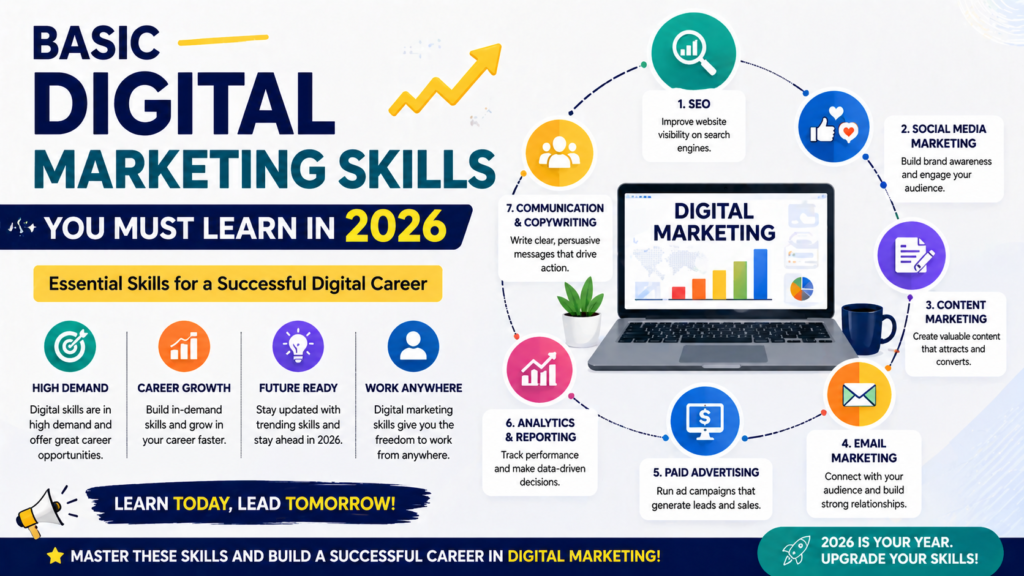
    Basic digital marketing skills infographic showing SEO, social media marketing, content creation, email marketing, and analytics with icons and a laptop screen.

    In today’s online world, learning digital marketing is one of the smartest career choices. Businesses are moving online, and they need people who understand online promotion, branding, and customer engagement.

    If you are a beginner, you might feel confused about which skills to learn first. In this blog, I will explain the most important skills you should learn in 2026 in a simple and practical way.


    Search Engine Optimization Skills (SEO and Website Ranking Techniques)

    SEO is a core part of online marketing. It helps websites rank higher on Google and get free traffic.

    You should learn:

    • Keyword research
    • On-page optimization
    • Content improvement

    Strong SEO knowledge helps increase visibility and long-term growth.


    Content Marketing and Content Creation Strategies

    Content plays a major role in attracting and engaging users.

    Important skills include:

    • Writing blogs and articles
    • Creating valuable content
    • Understanding user intent

    Good content builds trust and improves results over time.


    Social Media Marketing and Online Branding Skills

    Platforms like Instagram are very powerful for promotion.

    You should focus on:

    • Creating engaging posts and reels
    • Building audience connection
    • Maintaining consistency

    This helps in brand awareness and audience growth.


    Paid Advertising and Performance Marketing Basics (PPC Skills)

    Paid ads help businesses get quick results.

    Learn:

    • Running ads on search engines
    • Social media advertising
    • Budget and campaign management

    This skill is useful for generating leads and increasing sales.


    Email Marketing and Customer Engagement Techniques

    Email marketing is important for building relationships with customers.

    You should learn:

    • Writing effective emails
    • Creating campaigns
    • Using automation tools

    This improves customer retention and loyalty.


    Analytics and Data Tracking Skills (Marketing Performance Analysis)

    Tracking performance is important in online marketing.

    Use tools like:

    • Google Analytics
    • Google Search Console

    These tools help you understand what is working and what needs improvement.


    Communication and Copywriting Skills for Better Conversions

    Communication plays a key role in marketing success.

    You should be able to:

    • Write clear and simple content
    • Create persuasive messages
    • Understand customer behavior

    This helps increase engagement and conversions.


    Basic Design and Creativity Skills for Visual Content

    Visual content is very important today.

    Learn tools like Canva to create:

    • Social media posts
    • Thumbnails
    • Marketing creatives

    Creative visuals attract more users and improve engagement.


    Conclusion: Start Learning and Build Your Skills Step-by-Step

    Learning digital marketing skills in 2026 can open many opportunities. You don’t need to learn everything at once. Start with basic skills and improve step-by-step.

    Consistency, practice, and learning from real projects will help you grow faster.


    If you want to learn digital marketing step-by-step with proper guidance, join Vidya Sarthi today.

    πŸ‘‰ Start your journey with Vidya Sarthi and build your career in digital marketing πŸš€
  • Complete SEO Guide for Beginners

    Complete SEO Guide for Beginners

    Complete SEO Guide for Beginners

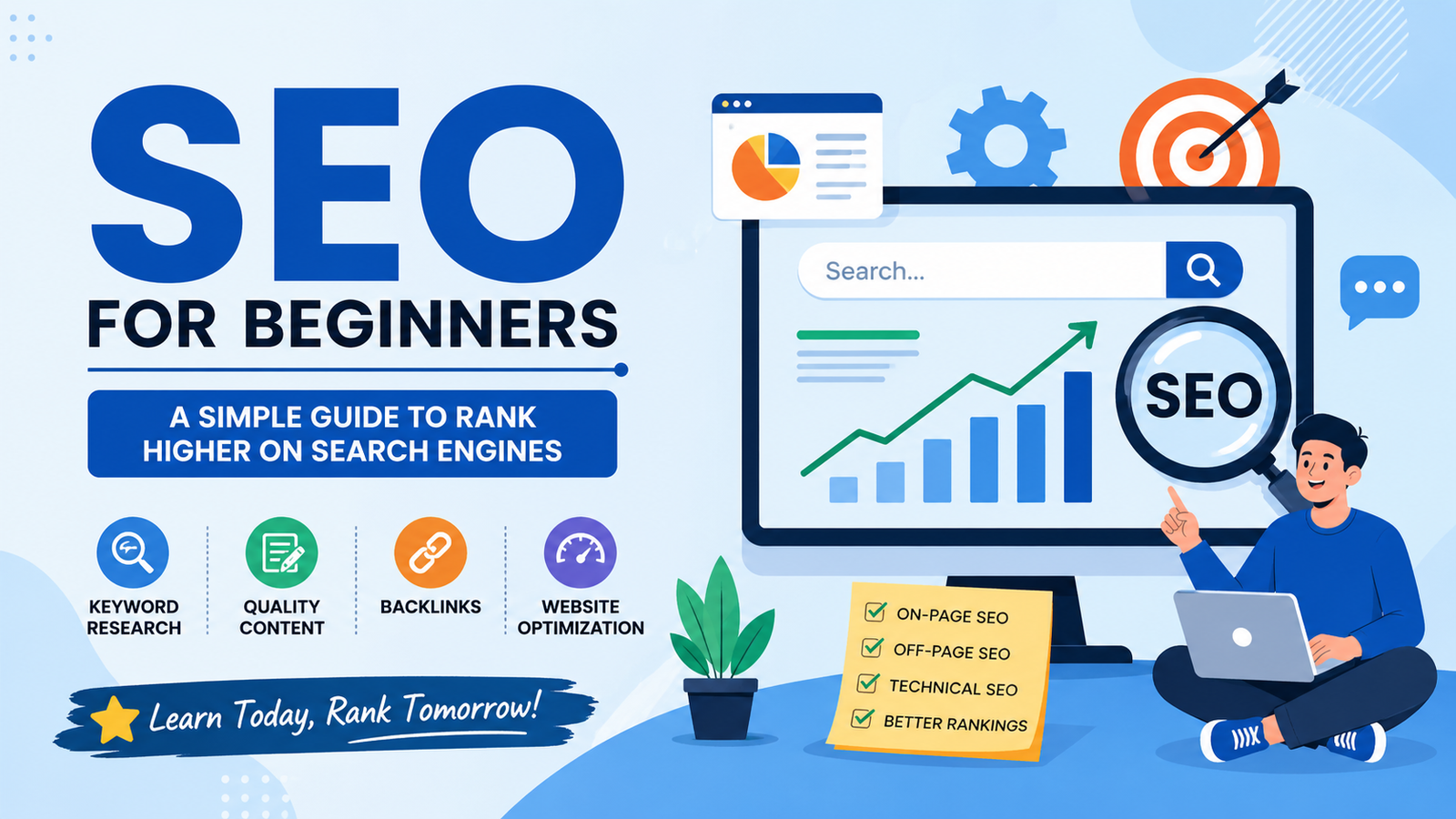
    SEO for beginners infographic showing keyword research, quality content, backlinks, and website optimization with a laptop screen displaying search rankings and growth chart.

    When I started learning SEO, I was confused about how websites rank on search engines. But after understanding the basics, I realized this skill is very powerful in digital marketing.

    Search engine optimization helps your website appear on Google when users search for something. In this blog, I will explain everything in a simple and beginner-friendly way.

    What is SEO

    SEO means improving your website so it ranks higher on search engines.

    Higher ranking = More traffic = More opportunities

    It is a long-term strategy that helps you get organic traffic without paid ads.

    How Search Engine Optimization Works for Beginners

    Search engines analyze your website content, keywords, and structure to decide rankings.

    To improve your ranking, focus on:

    • Relevant keywords
    • Useful content
    • Better user experience

    Types of SEO: On-Page, Off-Page, and Technical Optimization

    πŸ”Ή On-Page SEO (Content and Website Optimization)

    This includes improving your content, headings, and keyword placement.

    πŸ”Ή Off-Page SEO (Backlinks and Authority Building)

    This focuses on building trust through backlinks and external links.

    πŸ”Ή Technical SEO (Website Performance and Speed)

    This ensures your website is fast, mobile-friendly, and secure.


    Step-by-Step SEO Process for Beginners

    • Learn basic concepts of search engine optimization
    • Do keyword research using tools
    • Create helpful and original content
    • Optimize titles and headings
    • Build backlinks

    SEO Tools for Beginners and Website Analytics

    Some useful tools include:

    • Google Analytics
    • Google Search Console

    These tools help you track performance and improve results.


    Why SEO is Important for Website Growth and Visibility

    This strategy helps you:

    • Increase website traffic
    • Improve online visibility
    • Build trust and authority
    • Generate leads and sales

    Local Website ranking for Business Growth in India

    If you are running a business in India (like Gurgaon or Delhi), local optimization helps you reach nearby customers and grow faster.


    Benefits of SEO and Long-Results

    • Free organic traffic
    • Long-term growth
    • Better brand awareness
    • More opportunities

    Start Your Search engine optimization
    Journey Today

    Learning this skill may take time, but it is very useful for long-term growth.

    If you stay consistent and keep practicing, you can build a strong career in digital marketing.


    If you want to learn SEO step-by-step with proper guidance, join Vidya Sarthi today.

    πŸ‘‰ Start your journey with Vidya Sarthi and build your career in SEO πŸš€

  • Digital Marketing vs Traditional Marketing: Complete Comparison Guide

    Digital Marketing vs Traditional Marketing: Complete Comparison Guide

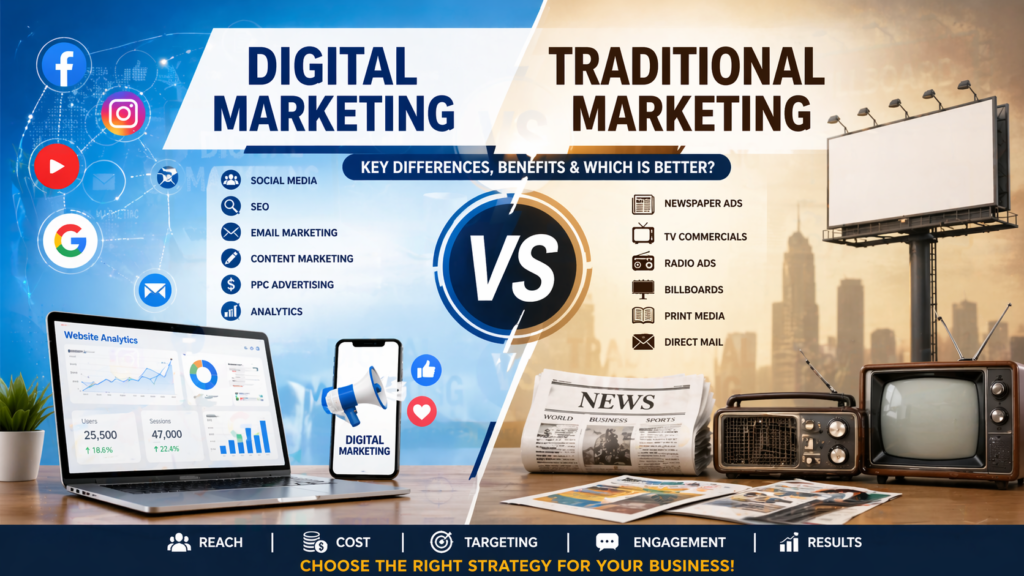
    A side-by-side comparison infographic of digital marketing and traditional marketing, showing a laptop, smartphone, and social media icons on one side, and a billboard, newspaper, and vintage TV on the other, highlighting differences in reach, cost, targeting, engagement, and results.

    Introduction to Digital Marketing and Traditional Marketing

    In today’s fast-changing world, marketing has evolved a lot. Earlier, businesses used traditional methods like newspapers, TV, and radio. But now, with the growth of the internet, digital marketing has become more popular and effective.

    Many beginners get confused between Which one is better? Which one should you learn?

    In this blog, I will explain both in simple words and help you understand the difference clearly.


    What is Digital Marketing

    Digital marketing means promoting products or services using online platforms and the internet.

    Businesses use platforms like Google, social media, websites, and email to reach customers.

    Examples are

    • SEO (Search Engine Optimization)
    • Social media marketing
    • Content marketing
    • Email marketing
    • Paid ads

    This type of marketing is fast, measurable, and cost-effective.


    What is Traditional Marketing (Offline Marketing Methods)

    Traditional marketing means promoting products using offline methods.

    Examples include:

    • Newspaper ads
    • TV commercials
    • Radio ads
    • Billboards and hoardings

    These methods have been used for many years and are still effective for local audiences.


    Digital Marketing vs Traditional Marketing: Key Differences

    πŸ”Ή 1. Cost Comparison (Affordable Online Marketing vs Expensive Offline Ads)

    Online marketing is more affordable compared to traditional marketing.
    You can run ads with a small budget and still reach a large audience.

    Traditional marketing like TV or newspaper ads is expensive and not suitable for beginners or small businesses.


    πŸ”Ή 2. Audience Reach (Global Reach vs Local Reach)

    With online marketing, you can reach people all over the world.

    Traditional marketing usually targets a limited local audience based on location.


    πŸ”Ή 3. Measurability and Analytics (Data-Driven Marketing)

    One of the biggest advantages of digital marketing is tracking results.

    You can measure clicks, impressions, conversions, and ROI easily.

    In traditional marketing, it is difficult to track exact results.


    πŸ”Ή 4. Engagement and Interaction (Customer Engagement Strategies)

    Online marketing allows two-way communication.
    Customers can like, comment, share, and interact with brands.

    Traditional marketing is one-way communication where customers cannot directly respond.


    πŸ”Ή 5. Speed and Flexibility (Real-Time Marketing vs Static Campaigns)

    In digital marketing, campaigns can be created and updated instantly.

    Traditional marketing takes time to plan, print, and publish.


    πŸ”Ή 6. Targeting Options (Precise Audience Targeting vs Mass Marketing)

    Digital marketing allows you to target specific audiences based on age, location, interests, and behavior.

    Traditional marketing targets a broad audience without much personalization.


    Advantages of Online Marketing (Benefits of Online Promotion)

    • Cost-effective for beginners
    • Global reach
    • Easy tracking and analytics
    • High engagement
    • Flexible and fast

    Advantages of Traditional Marketing (Offline Marketing Benefits)

    • Builds strong local trust
    • Effective for older audiences
    • Works well for brand awareness
    • Tangible (physical presence like banners, newspapers)

    Which is Better: Digital Marketing or Traditional Marketing?

    The answer depends on your goals.

    If you want fast growth, measurable results, and global reach, digital marketing is the best option.

    If your business is local and targets offline customers, traditional marketing can still be useful.

    Today, most businesses use a combination of both methods for better results.


    Future of Digital Marketing and Online Advertising Trends

    The future belongs to digital marketing.

    With the rise of social media, mobile usage, and online shopping, more businesses are shifting towards online marketing strategies.

    Learning digital marketing today can open many career opportunities in the future.


    Conclusion: Choose the Right Marketing Strategy

    Both methods have their importance, but digital marketing is growing faster and becoming more important in today’s world.

    If you are a beginner, starting with digital marketing is a smart choice because it is affordable, flexible, and easy to learn.

    With the right skills and practice, you can build a successful career in this field.


    If you want to learn digital marketing step-by-step with proper guidance, join Vidya Sarthi today.

    πŸ‘‰ Start your journey with Vidya Sarthi and build your career in digital marketing πŸš€

  • How to Start Digital Marketing with Zero Experience

    How to Start Digital Marketing with Zero Experience

    How to Start Digital Marketing with Zero Experience

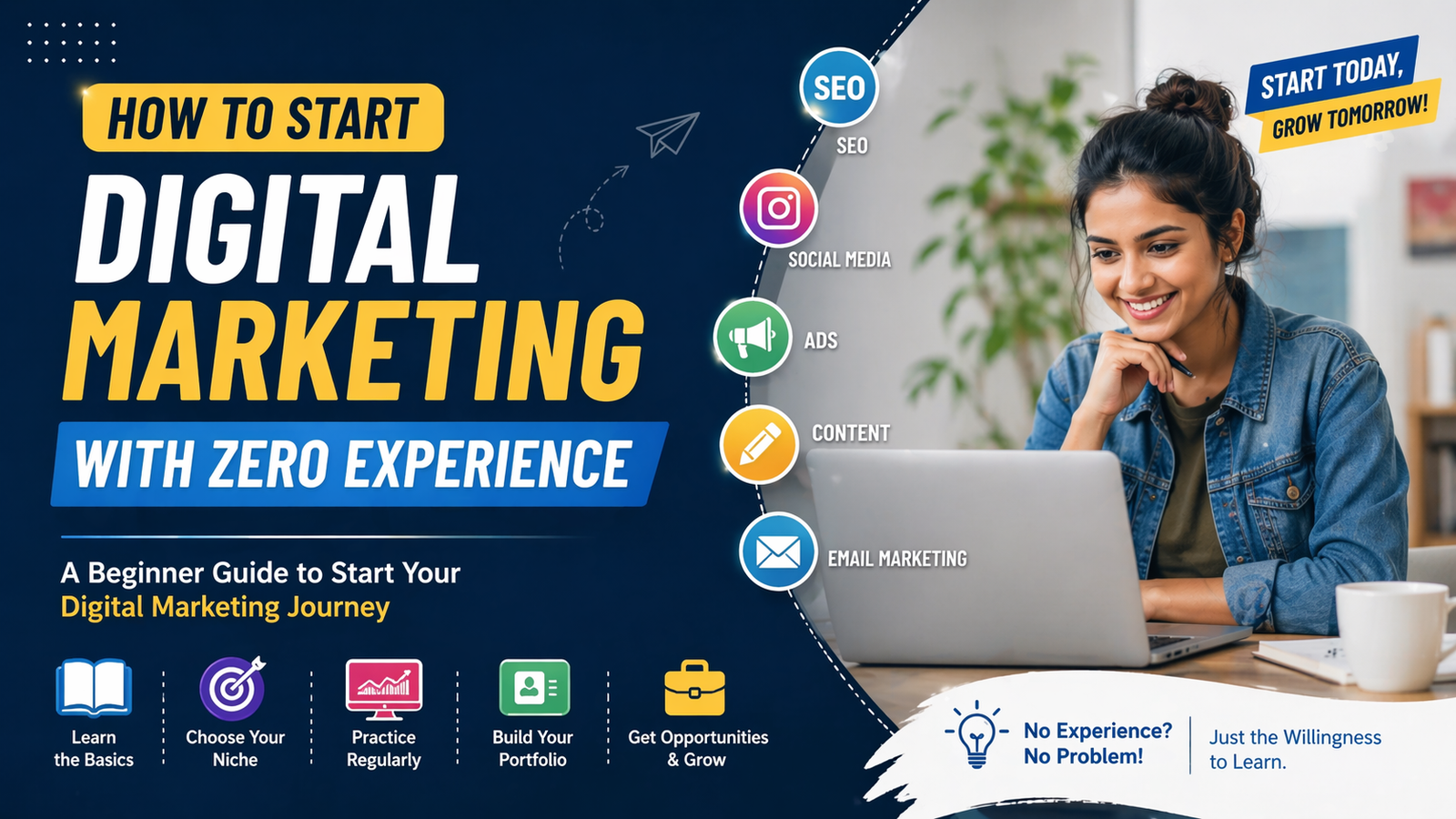
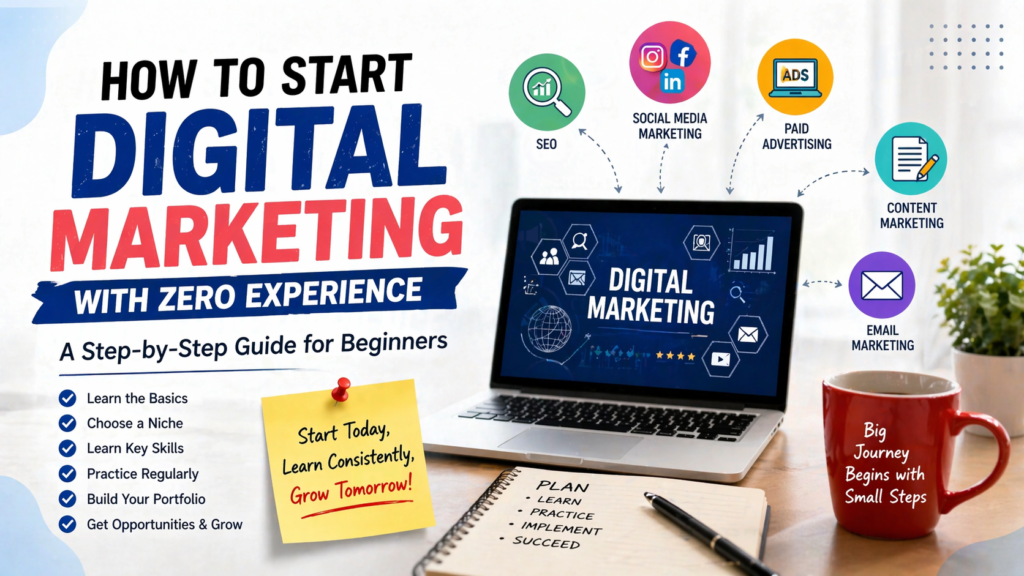
    A modern digital marketing infographic showing a laptop on a desk with icons for SEO, social media marketing, paid advertising, content marketing, and email marketing connected around it. The design includes a checklist for beginners, a notebook with a plan, and motivational elements like a sticky note and coffee mug, representing learning digital marketing step-by-step with zero experience.

    When I started learning digital marketing, I had no experience and no idea where to begin. It felt confusing because there are many things like SEO, social media, ads, and content.

    But the truth is, anyone can start it from zero with the right steps and consistent practice.


    Understand Basics of Digital Marketing and Online Marketing Concepts

    Start by learning the core areas like SEO, content marketing, social media marketing, and paid ads. These are the main pillars of online marketing and will help you understand how businesses grow online.


    Learn SEO (Search Engine Optimization) for Website Growth

    SEO helps your content rank on Google and drive free traffic.
    Focus on keyword research, on-page SEO, and creating helpful content that solves user problems


    Start Social Media Marketing and Content Creation

    Use platforms like Instagram to create content and connect with your audience.
    Post regularly, use reels, and focus on engagement to grow faster.

    Practice Digital Marketing Skills with Real Projects

    Create your own blog, YouTube channel, or social media page. Practice writing content, posting regularly, and testing strategies. Learning by doing is the best way to improve skills.


    Build a Digital Marketing Portfolio for Jobs and Freelancing

    Show your work like blogs, social media pages, and campaigns. A strong portfolio builds trust and helps you get your first job or freelance client.

    Keep Learning and Stay Updated with Trends

    Online marketing keeps changing. Follow blogs, watch videos, and stay updated with new tools and strategies to grow continuously.


    Conclusion

    Starting with zero experience is possible if you stay consistent and keep learning. Focus on basics, practice daily, and build your skills on Digital Marketing step-by-step.


    Call to Action

    If you want to learn with proper guidance, join Vidya Sarthi today.

    πŸ‘‰ Start your journey with Vidya Sarthi and build your career πŸš€


    I

  • Skills Required to Become a Digital Marketer

    Skills Required to Become a Digital Marketer

    When I started learning digital marketing, I realized that it is not just one skill. It is a combination of different skills like creativity, communication, and technical knowledge.

    In this blog, I will explain all the important skills you need to become a successful digital marketer in very simple words.

    πŸ”Ή 1. Basic Understanding of Digital Marketing

    Before learning advanced skills, you should understand the basics.

    You should know how platforms like Google, Instagram, and YouTube work.

    πŸ”Ή 2. SEO (Search Engine Optimization)

    SEO is one of the most important skills.

    It helps your website rank higher on Google and bring free traffic.

    Learn:

    • Keyword research
    • On-page SEO
    • Off-page SEO

    πŸ”Ή 3. Content Creation & Writing

    Content is the heart of digital marketing.

    You should know how to:

    • Write blogs
    • Create social media posts
    • Make videos

    Good content helps in attracting and engaging users.

    πŸ”Ή 4. Social Media Marketing

    Social media skills are very important.

    Platforms like Instagram and Facebook help you build an audience and promote products.

    Learn:

    • Content strategy
    • Posting schedule
    • Engagement techniques

    πŸ”Ή 6. Data Analysis & Analytics

    Digital marketing is not just about creativity, but also about data.

    You should know how to:

    • Track performance
    • Analyze results
    • Improve campaigns

    Conclusion

    To become a digital marketer, you don’t need to learn everything at once. Start with basics and slowly build your skills step-by-step.

    If you want to learn all these skills step-by-step and build a successful career, join Vidya Sarthi today.

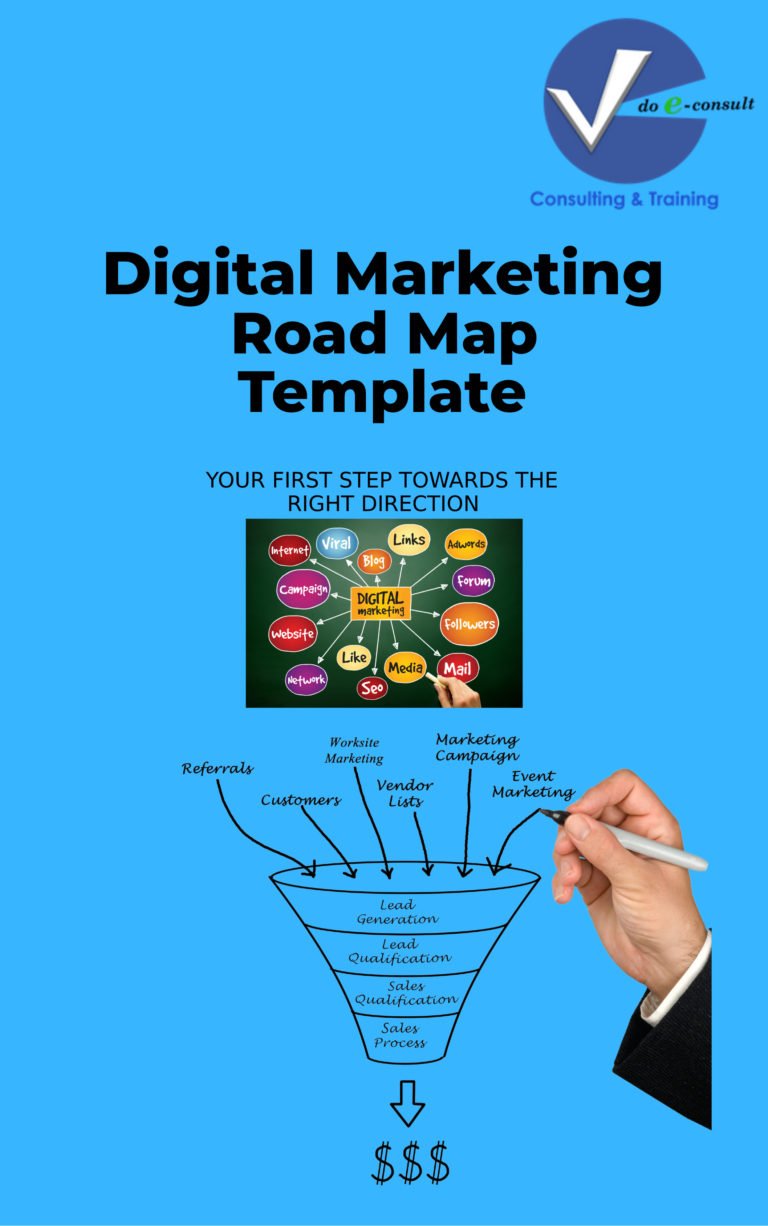
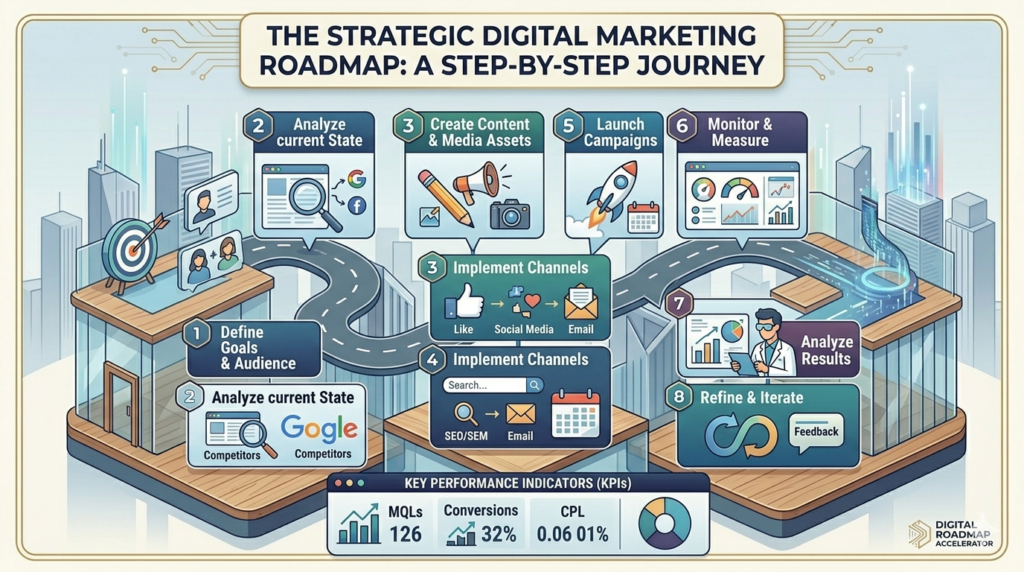
  • Digital Marketing Roadmap

    Digital Marketing Roadmap

    When I started learning digital marketing, I was confused about where to start and what to learn first. There are so many topics like SEO, ads, social media, content, and tools.

    So in this blog, I will share a clear and simple roadmap that any beginner can follow step-by-step to learn digital marketing and build a career in it.

    Start with understanding what digital marketing is and how it works.

    Learn about:

    • SEO (Search Engine Optimization)
    • Social Media Marketing
    • Paid Ads
    • Content Marketing
    • Email Marketing

    This step will give you a strong foundation.


    SEO is very important to get free traffic from Google.

    Focus on:

    • Keyword research using Google Keyword Planner
    • On-page SEO (titles, headings, meta description)
    • Off-page SEO (backlinks)
    • Basic technical SEO (mobile friendly, speed)

    πŸ‘‰ Practice: Create a blog and try to rank your articles.


    Social media helps in building brand and audience.

    Platforms to focus:

    • Instagram
    • Facebook
    • LinkedIn

    Learn:

    • Content creation
    • Reels and short videos
    • Posting strategy
    • Audience engagement

    Paid ads help in getting quick results.

    Start with:

    • Google Ads
    • Facebook Ads

    Learn:

    • Campaign setup
    • Target audience
    • Budget management
    • Lead generation

    Content is the backbone of digital marketing.

    Focus on:

    • Blog writing
    • Video content (on YouTube)
    • Social media posts

    πŸ‘‰ Goal: Provide value to your audience.


    Email marketing helps in nurturing leads.

    Use tools like Mailchimp

    Learn:

    • Email writing
    • Automation
    • Campaign creation

    Learning is not enough. Practice is very important.

    • Create your own blog
    • Manage a social media page
    • Run small ad campaigns
    • Do internships or freelance work

    Create a portfolio showing your work:

    • Blog links
    • Campaign results
    • Social media pages

    Then apply for jobs like:

    • Digital Marketing Executive
    • SEO Executive
    • Social Media Manager

    Conclusion

    Digital Marketing is a skill-based field. You don’t need to learn everything at once. Just follow this roadmap step-by-step and keep practicing.

    With consistency and effort, you can build a strong career in digital marketing.

    If you want to learn Digital Marketing step-by-step with proper guidance, join Vidya Sarthi today.

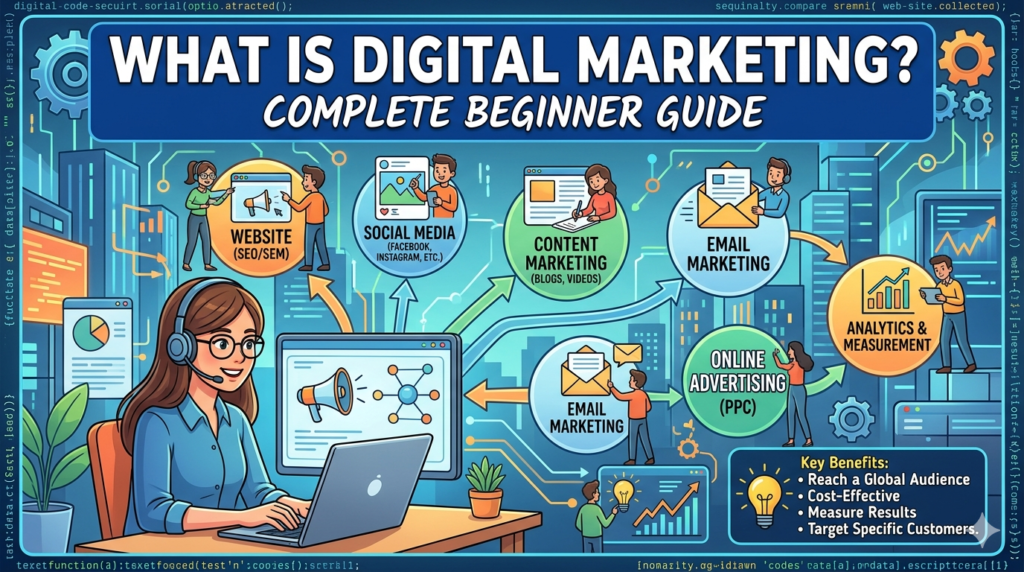
  • What is Digital Marketing? Complete Beginner Guide

    What is Digital Marketing? Complete Beginner Guide

    What is Digital Marketing? Complete Beginner Guide

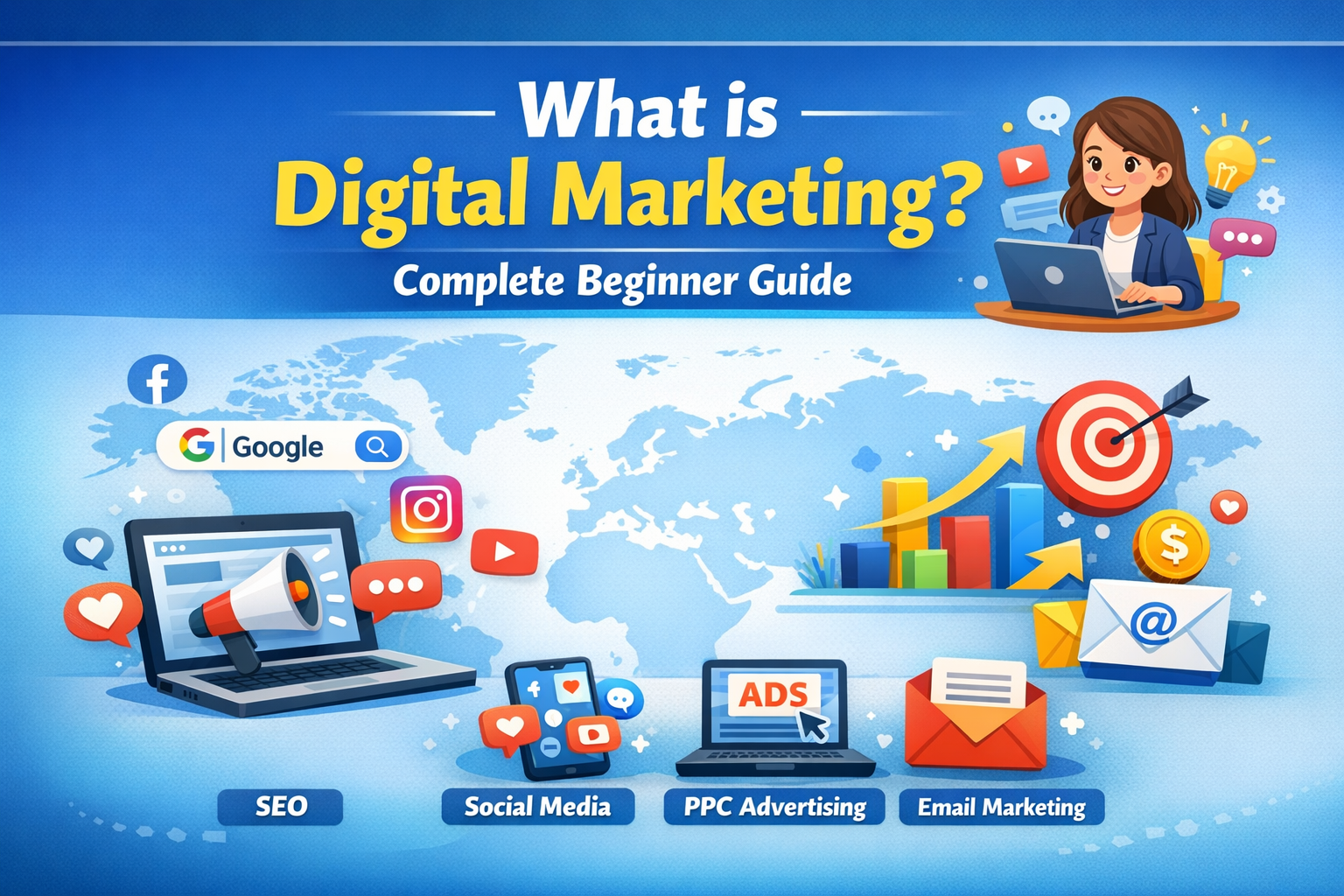
    Here is **alternative text (alt text)** for your image πŸ‘‡  ---  **Alt Text:**
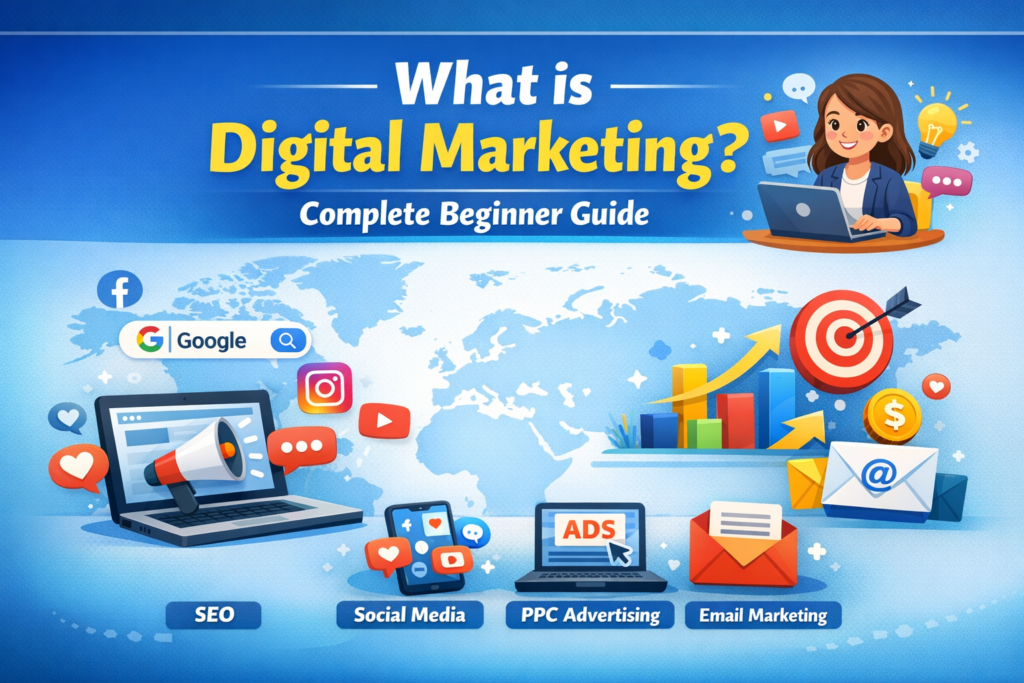
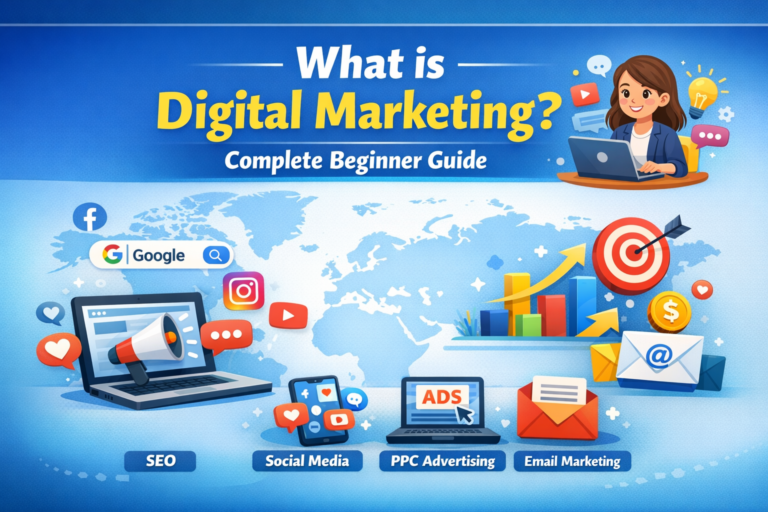
A digital marketing infographic showing a person working on a laptop with icons representing SEO, social media, PPC advertising, and email marketing. The image includes platforms like Google, Instagram, and YouTube, along with charts, target symbols, and a world map background to represent global online marketing.

    Today, everything is going online. From shopping to learning, people are using the internet for everything. Because of this, marketing has also changed. Now businesses are promoting their products online, and this is called Digital Marketing.

    In this blog, I will explain digital marketing in very simple words so that any beginner can understand it easily.

    πŸ”Ή What is Digital Marketing?

    Digital Marketing means promoting products or services using the internet and digital platforms.

    Instead of traditional methods like newspaper or TV ads, companies now use platforms like Google, Instagram, and YouTube to reach customers.

    Simple words:
    πŸ‘‰ Marketing + Internet = Digital Marketing


    πŸ”Ή Types of Digital Marketing

    1. Search Engine Optimization (SEO)

    SEO means improving your website so that it ranks higher on Google.
    Higher ranking = More traffic = More customers


    2. Social Media Marketing

    This includes promoting products on platforms like Instagram, Facebook, and LinkedIn.
    It helps in building brand awareness and engagement.


    3. Pay-Per-Click (PPC) Advertising

    In this, you run paid ads on platforms like Google Ads.
    You pay only when someone clicks on your ad.


    4. Content Marketing

    This includes blogs, videos, and posts that provide value to users.
    Example: Blog posts, YouTube videos, social media content.


    5. Email Marketing

    Sending emails to customers for promotion and updates using tools like Mailchimp.


    πŸ”Ή Why is Digital Marketing Important?

    • Cost-effective compared to traditional marketing
    • Helps reach a global audience
    • Easy to track results
    • Builds brand awareness
    • Generates leads and sales

    πŸ”Ή Skills Required for Digital Marketing

    To become a digital marketer, you need:

    • Basic computer knowledge
    • Communication skills
    • Creativity
    • Analytical thinking
    • Learning attitude

    πŸ”Ή How to Start Digital Marketing as a Beginner

    Learn basics (SEO, social media, ads)

    Practice by creating your own blog or page

    Take online courses

    Do internships or freelance projects

    Build your portfolio

    Conclusion

    Digital Marketing is one of the best career options today. It is growing very fast and has many job opportunities.

    If you start learning today and practice regularly, you can build a successful career in this field.

    If you want to learn Digital Marketing step-by-step and build a successful career, join Vidya Sarthi today.

    πŸ‘‰ Start your learning journey now with Vidya Sarthi and take the first step towards your dream career πŸš€